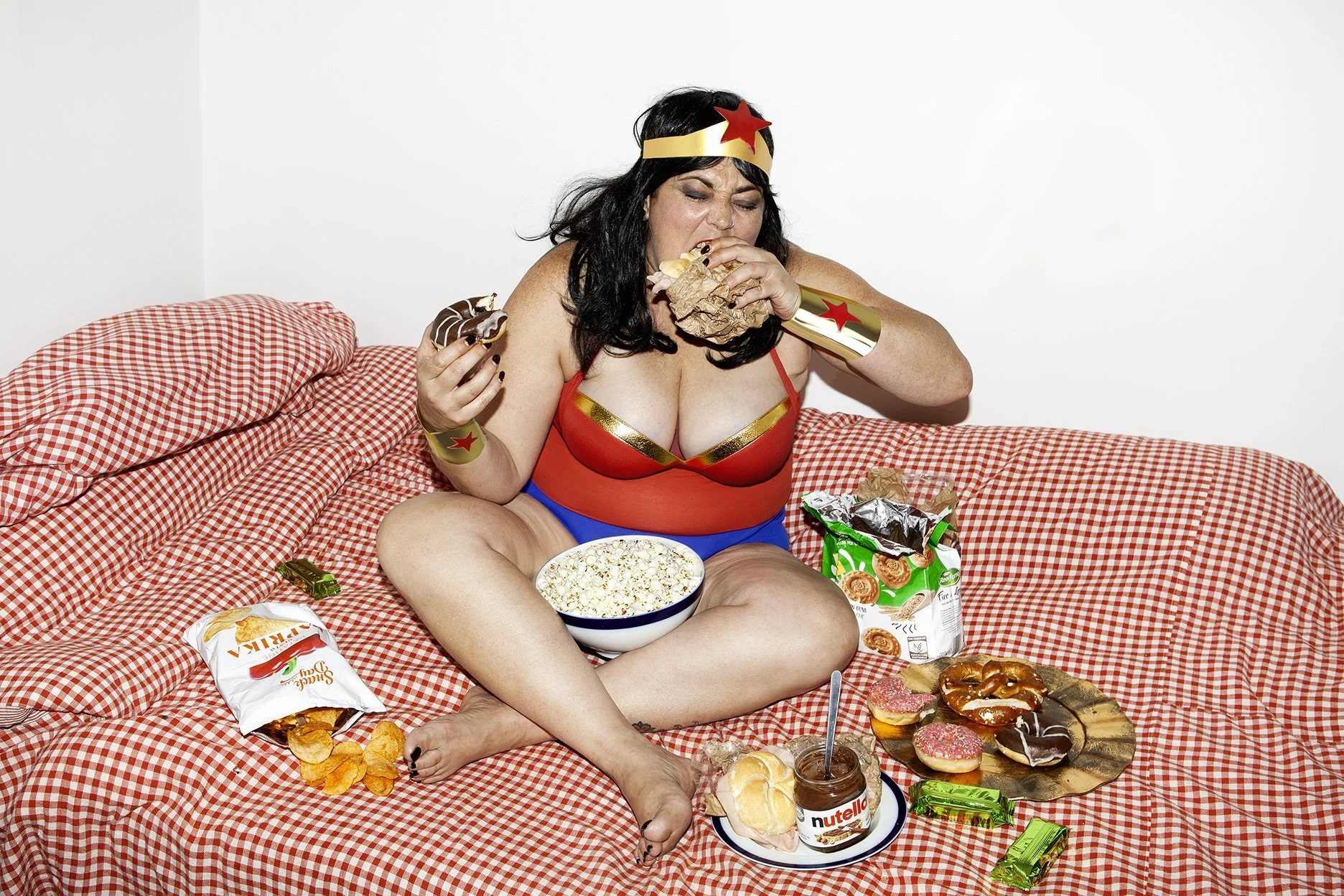

ANIMA is a long-term photography project that explores mental health through powerful visual narratives, using symbolism, portraiture, and the figure of the contemporary superhero. The project investigates the invisible struggles carried by individuals who often appear strong, functional, and resilient to the outside world, while privately fighting complex psychological battles.
ANIMA is about truth.
It is about removing the mask and showing what is underneath — without shame, without judgment.
Through this project, I want to create a space where vulnerability is seen as strength, and where people feel less alone in their struggles.
ANIMA challenges the way we perceive mental illness.
Mental illness does not always look like suffering.
It can look like perfection, success, beauty, strength.
This project exists to make the invisible visible —to give a face, a body, and a voice to those who struggle in silence.
You should not be alone in this.
Why superheroes
Because behind every hero, there is a wound.
Our stories are shaped by
trauma, loss, or struggle.
Strength does not come from perfection
Strength comes from what we survived.
Many of us, especially younger people, connect deeply with
superheroes.
We admire their power, their resilience, and their ability to keep going.
ANIMA uses these familiar figures to reveal something fundamental
and deeply human: even heroes are not invincible.
We see that:
Nobody is perfect.
Real heroes ask for help.
We keep going, even when the battle is invisible.
ANIMA — Series
Chapter i - wonder woman
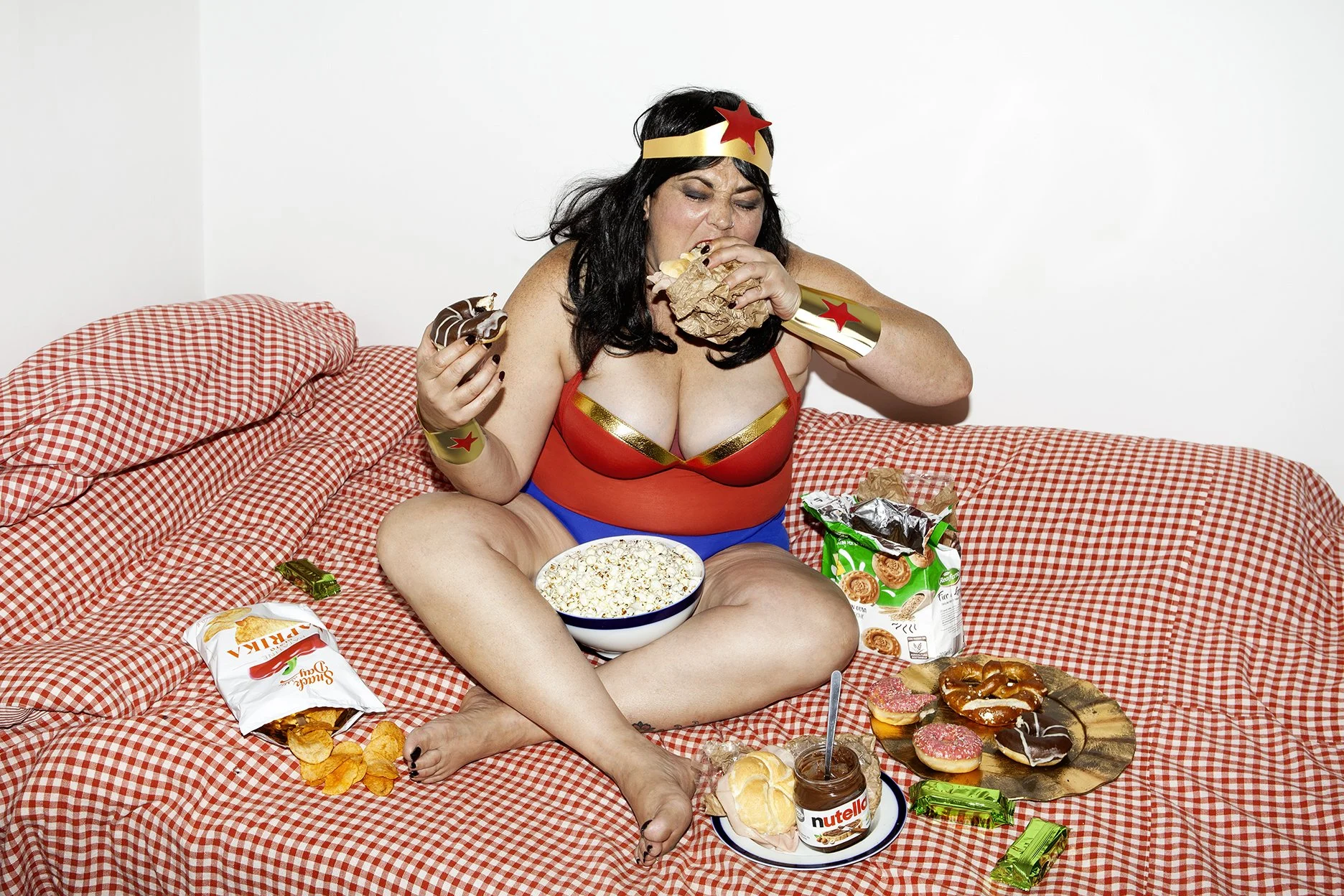
The first image of ANIMA portrays a woman as Wonder Woman, not as a fantasy hero, but as a symbol of resilience. She represents a real person living with binge eating disorder, a mental illness that is often invisible, misunderstood, and judged. I chose Wonder Woman because binge eating is not a weakness—it is a daily battle. This woman fights silently, every day, against her own mind. The strength she shows is internal, not physical. The superhero image contrasts with the hidden struggle, highlighting how people suffering from eating disorders often appear “strong” or “fine” on the outside while carrying deep pain inside. This image challenges stereotypes around mental illness: You don’t need to look fragile to be suffering You can be powerful and still be struggling You can be a hero while fighting your own shadow ANIMA begins here: with a woman who does not ask to be saved, but to be seen.
Chapter 2 - the flash
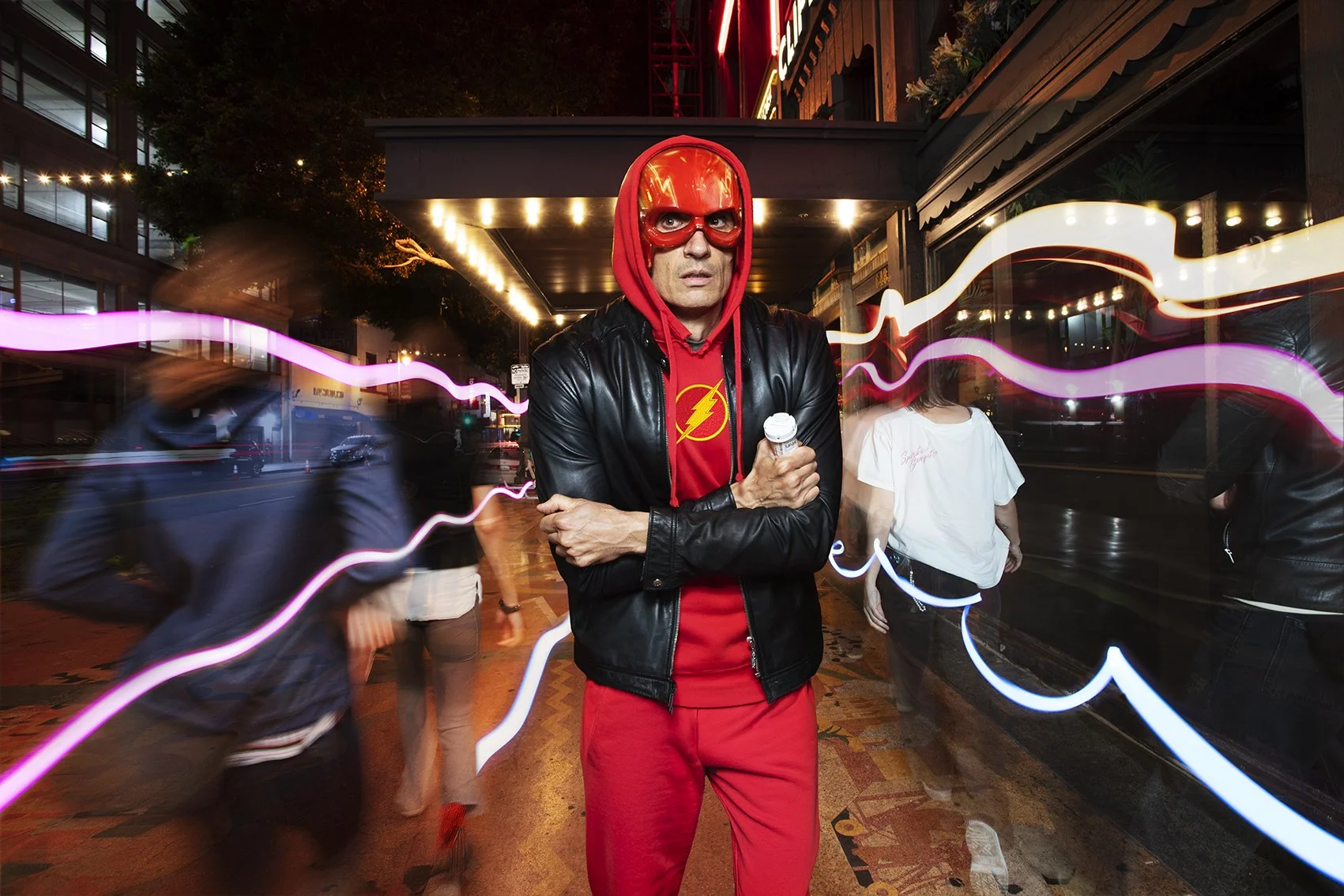
In this image, the Flash—symbol of speed and control—is immobilized by anxiety. Surrounded by a fast-moving crowd, he stands still, unable to act. The world blurs past him, emphasizing his internal state: a mind racing with thoughts, fears, and urgency, while the body remains paralyzed.
Anxiety creates a profound sense of detachment from reality. Although physically present, he appears disconnected from his surroundings, as if existing in a different time and space. This dissonance reflects the lived experience of anxiety, where perception becomes distorted and reality feels distant and unreachable.
By reversing his power, the work exposes the paradox of anxiety: movement without progress, urgency without action. The image invites the viewer to experience the tension between external expectations and internal overwhelm, challenging the perception of strength and control.
Chapter 3- cat woman
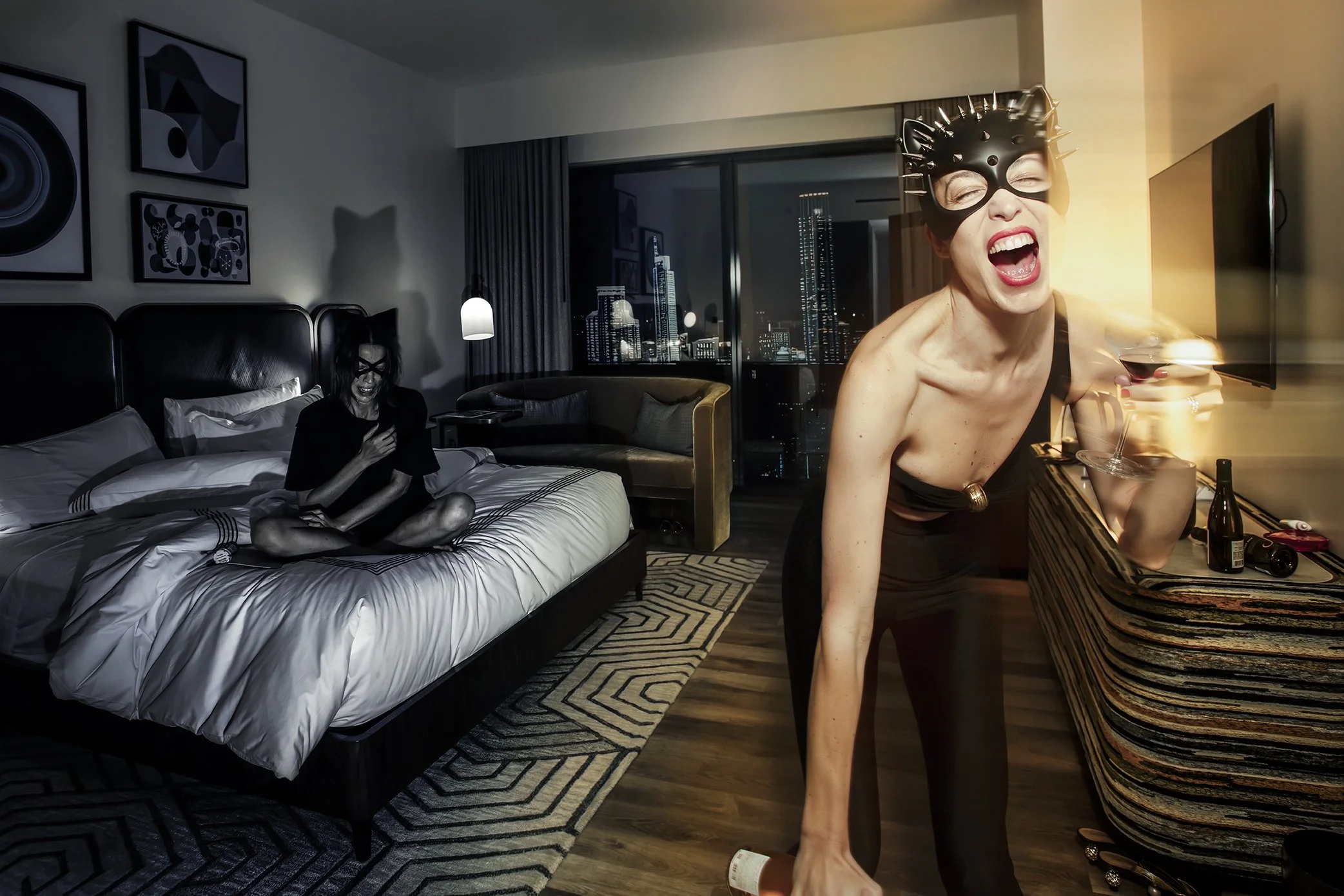
In this image, Catwoman embodies the duality of bipolar disorder within a single, luxurious hotel room. The space is elegant, rich, and visually seductive—reflecting an external image of control, beauty, and allure.
Within the same environment, two emotional realities coexist. On one side, Catwoman appears in a manic state: vibrant, energized, and immersed in a moment of celebration, surrounded by movement, light, and excess. On the other, she is consumed by depression: withdrawn, still, and emotionally distant, isolated within the very same space.
The contrast is not only visual but psychological. The identical setting emphasizes how drastically perception and internal experience can shift, even when nothing externally changes.
This image explores the instability of identity and emotion, revealing the invisible extremes of bipolar disorder. It challenges the viewer to confront the complexity behind appearances, where glamour and suffering exist simultaneously, and where control is often an illusion.
TO BE CONTINUED…
Support ANIMA
ANIMA is an independent project dedicated to raising awareness about mental health through art.
Your support helps bring this project to life — from production to exhibition, and to reaching communities who need it most.
How You Can Help
Your contribution supports:
• Creation of new images in the series
• Studio and production costs
• Exhibitions and public outreach
• Mental health awareness initiatives
Why It Matters
Mental health struggles are often invisible.
By supporting ANIMA, you are helping to give a voice and a visual presence to those who feel unseen.
Make an Impact Today
meet the Team
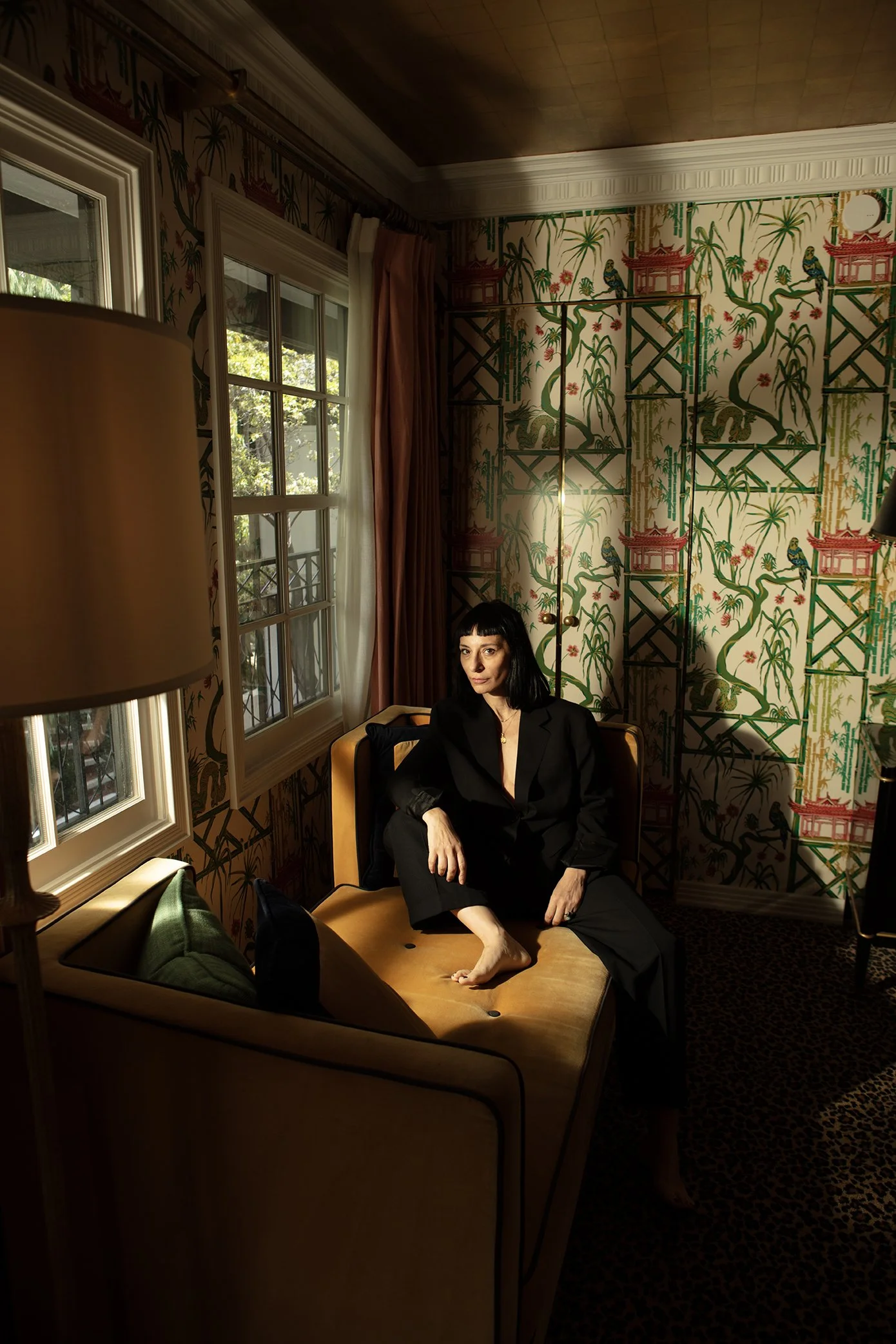
Valentina Socci
Autor
Valentina Socci is an internationally published photographer whose work is rooted in curiosity, discipline, and a deep sensitivity to human presence. Born and trained in Italy, she began her photographic journey at the age of 19, developing her craft through formal training and hands-on experience across fashion, film, and television.
Her early career unfolded in Milan, where she worked in television and cinema before entering the fashion world. Those formative years—spent assisting major luxury fashion houses and photographing Milan Fashion Week—shaped her rigorous approach to image-making and her refined visual language. Over time, Valentina became a sought-after photographer for luxury brands, advertising campaigns, and editorial projects, working across various genres, including fashion, beauty, still life, and interiors.
As her career evolved, so did her vision. Valentina shifted her focus toward luxury photography, collaborating with prestigious brands and architectural studios, and producing imagery that has been published in internationally renowned magazines, including Architectural Digest, Elle Decor, Vogue, Vanity Fair, and House Beautiful. Her work has documented historical residences, exclusive interiors, and global luxury boutiques, always with an eye for light, balance, and atmosphere.
In 2014, Valentina relocated to Los Angeles, where her practice expanded into celebrity portraiture and editorial photography. Working between Europe and the United States, she has photographed actors, models, and public figures for international magazines, while continuing to collaborate with beauty and cosmetic brands at a high commercial level.
Today, Valentina’s work sits at the intersection of aesthetic precision and emotional depth. Alongside commercial and editorial photography, she is the creator of ANIMA, a long-term personal project exploring invisible mental health struggles through symbolic portraiture. Through this work, her focus shifts from perfection to truth—using photography as a space for empathy, vulnerability, and presence.
Autor Statement
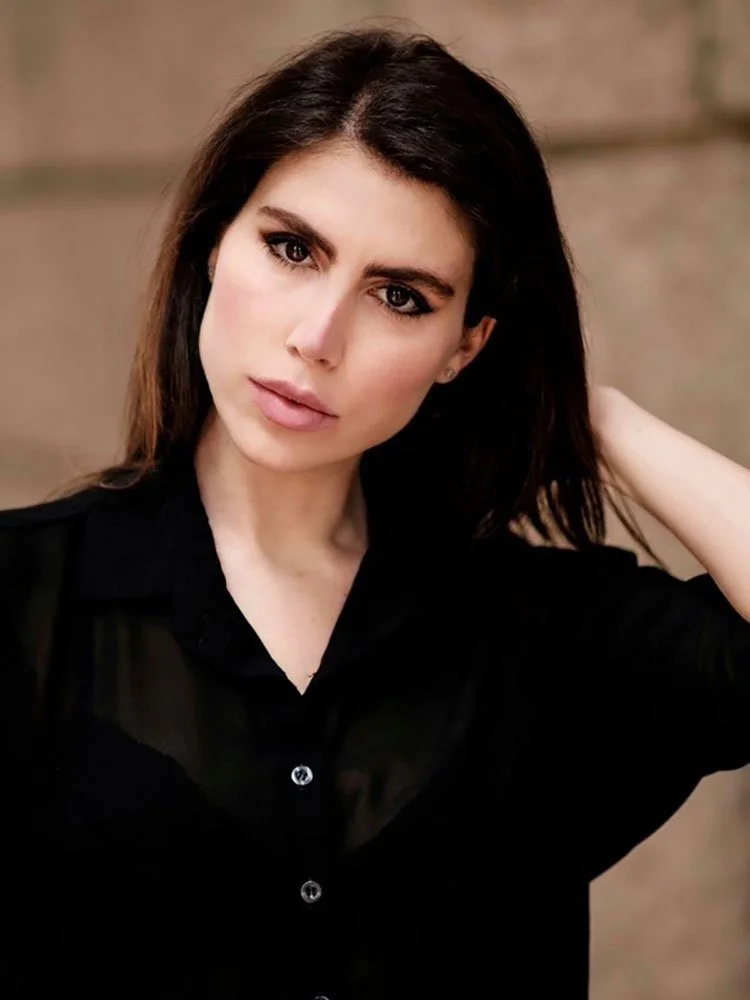
alessia alciati
Italian PR
Alessia Alciati is an Italian film professional with a background as an actress working on Italian and International movies and later specializing in film production to develop a comprehensive understanding of the cinematic process. She trained at the European Academy of Dramatic Arts in collaboration with LAMDA in London, combining artistic sensitivity with strong production expertise.
Over the years, she has worked across multiple international and Italian productions, collaborating with industry professionals such as Kees Kasander the producer of Peter Greenaway, Andrea Arnold and Larry Clark, with the companies Cinatura UK and Bronx Films. Her work spans feature films, documentaries, and short films, where she has held roles ranging from Associate Producer to Executive and Line Producer, contributing to projects presented in international festivals.
Her approach is driven by a deep interest in cinema as a multidisciplinary language, where visual arts, photography, and storytelling converge to create meaningful narratives. This vision naturally aligns with projects that combine artistic research and social reflection.
She is the founder of ABOUT EVE Vision APS–ETS, a cultural non-profit organization dedicated to the development of film, artistic, and educational projects focused on social awareness, with particular attention to themes such as identity, empowerment, and gender-based violence.
Within the project ANIMA, Alessia acts as a key reference for the Italian production framework, overseeing development and production dynamics, and facilitating connections between artistic vision and institutional or production partners.